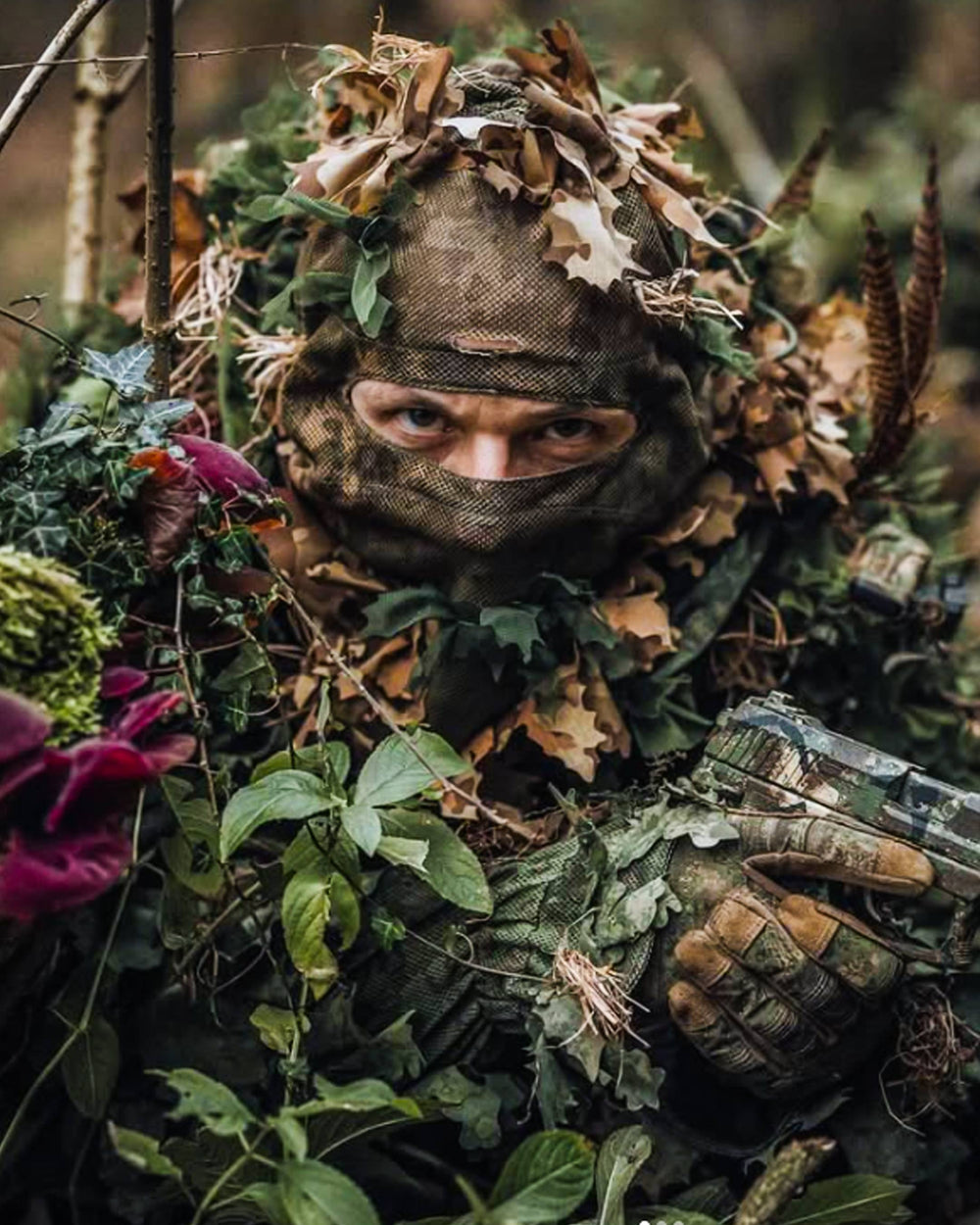
Crafting Effective Ghillie Suits and Rifle Wraps Using Coconut Rope

One of the biggest misconceptions about concealment is that it has to be expensive. In reality, some of the most effective ghillie materials are simple, natural, and cheap — if you know how to work with them.
Recently, I’ve been experimenting with coconut rope as a crafting material for both ghillie suits and rifle wraps, and the results have been excellent.
Why Coconut Rope?
Coconut rope (often sold as coir rope) is:
- Cheap and easy to source
- Naturally fibrous
- Durable
- Very easy to modify
For this entire project I used around 15 metres, which cost me £8 including postage. That’s enough material to noticeably transform both a suit and a rifle wrap.
Step 1: Dulling Down the Colour

Out of the packet, coconut rope is usually too bright and uniform. The first thing I do is knock the colour back using camo spray paint.
I typically use brown, but you can also use grey, olive of a mix.
Choose colours that suit the environment you’ll be operating in. Light, uneven passes work best — don’t soak it. The goal is to remove the “new” look, not paint it solid.

Step 2: Attaching the Rope
The rope is attached using micro cable ties — I use 2.5mm ties.
- Cut the rope into lengths depending on the effect you want
- Secure it directly to your ghillie suit base or rifle wrap

- Trim the cable tie tails flush
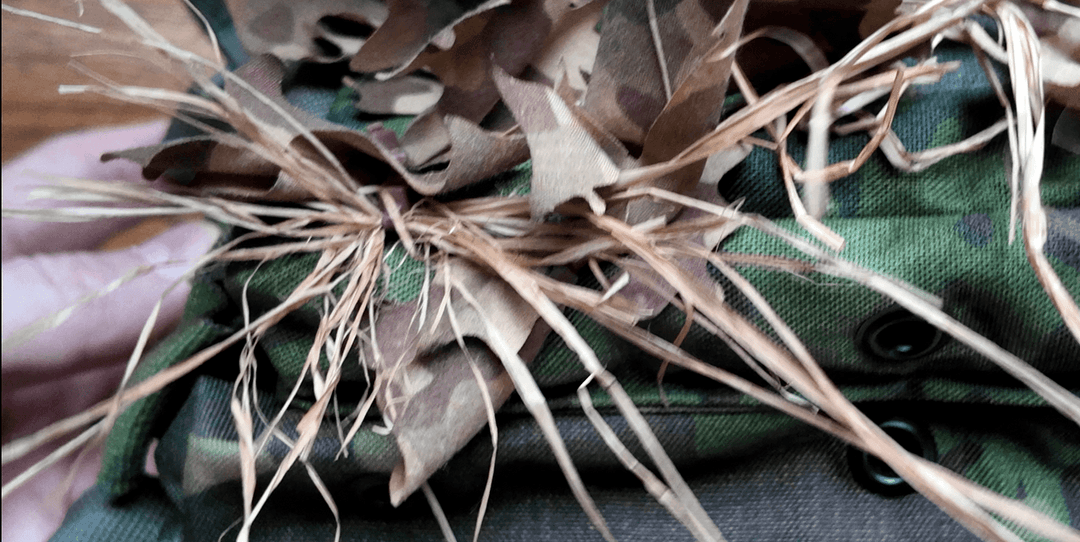
You can vary length and density to break up outlines and avoid symmetry.
Step 3: Creating Different Effects
This is where coconut rope really shines.
Branch Effect

Leave the rope intact and it creates a thick, branch-like structure, perfect for woodland and hedgerow environments.
Twiggy Effect
Split the rope apart to create a looser, twig-style texture.

Pine Needle / Dead Fern Effect
Take it a step further:
- Fully unwind the rope
- Separate the individual strings
- Pull the fibres apart

This creates an effect very similar to pine needles or dead ferns, especially once dulled down with paint. It works extremely well in pine forests and winter woodland.
Combining With Other Materials
I like to combine coconut rope with KMCS Ghillie Grass or treated raffia, although it also works great on it’s own.
This mix adds variation in texture, reflectance and colour, which is critical for good concealment. Coconut rope gives structure; grass and raffia soften the silhouette.

Using Coconut Rope on Rifle Wraps

The same technique works perfectly on rifle wraps.

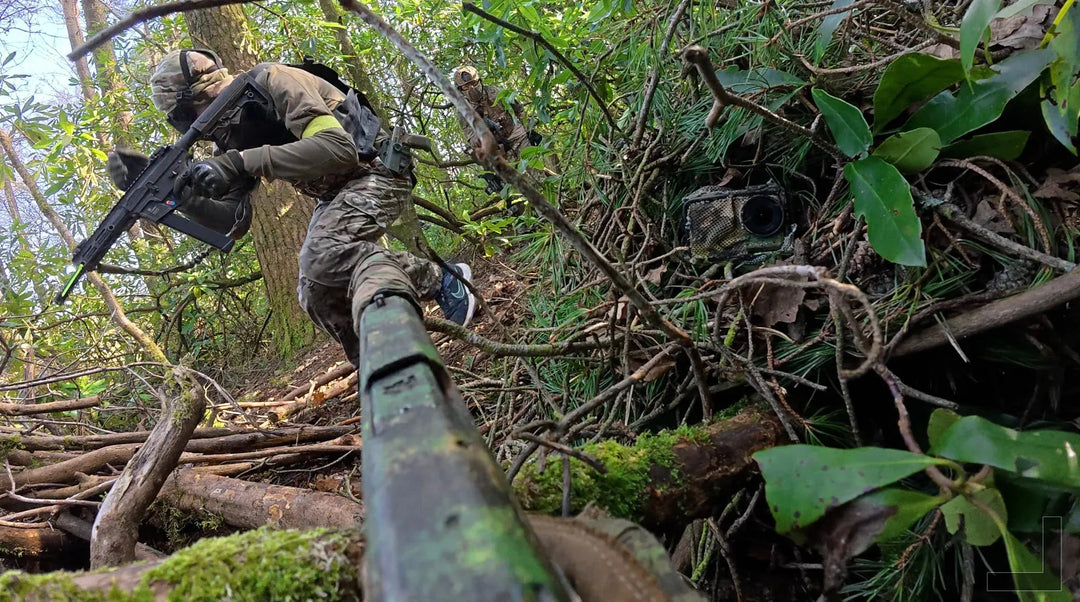
Here, I’ve attached coconut rope to my TAC-41 KMCS rifle wrap using the same micro cable ties. To suit a pine forest / fern field environment, I removed quite a few of the standard KMCS leaves and replaced them with rope fibres.
I’ve also kept dreadlocks / tie-downs on the wrap so I can still attach natural vegetation in the field. This gives flexibility depending on the terrain and season.
The Finished Result
I’m very happy with the final effect — both on the ghillie suit and the rifle.

The outline is broken up, the texture is natural, and the materials will blend extremely well once I’m in a hide position.
Final Thoughts
You don’t need to spend a fortune on crafting materials to build an effective concealment system. If you have an eye for texture, colour, and shape, simple materials like coconut rope can be incredibly effective.
I also really like the idea of using coconut rope to craft directly onto a set of BDUs — that’s something I’ll likely experiment with next.
As always, good concealment isn’t about copying a pattern. It’s about understanding your environment and building something that belongs in it. Also, remember to add natural veg in field using tie downs if you have the time to do so.